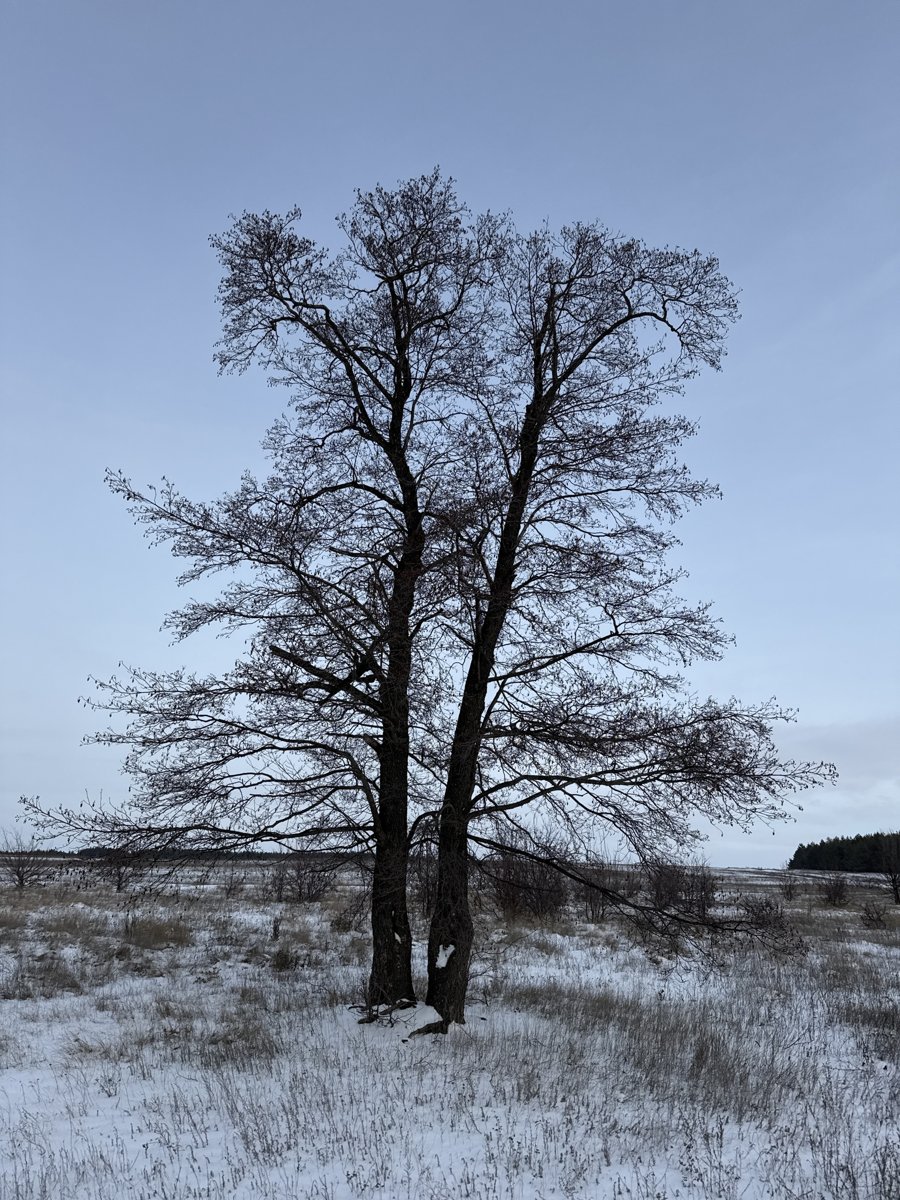
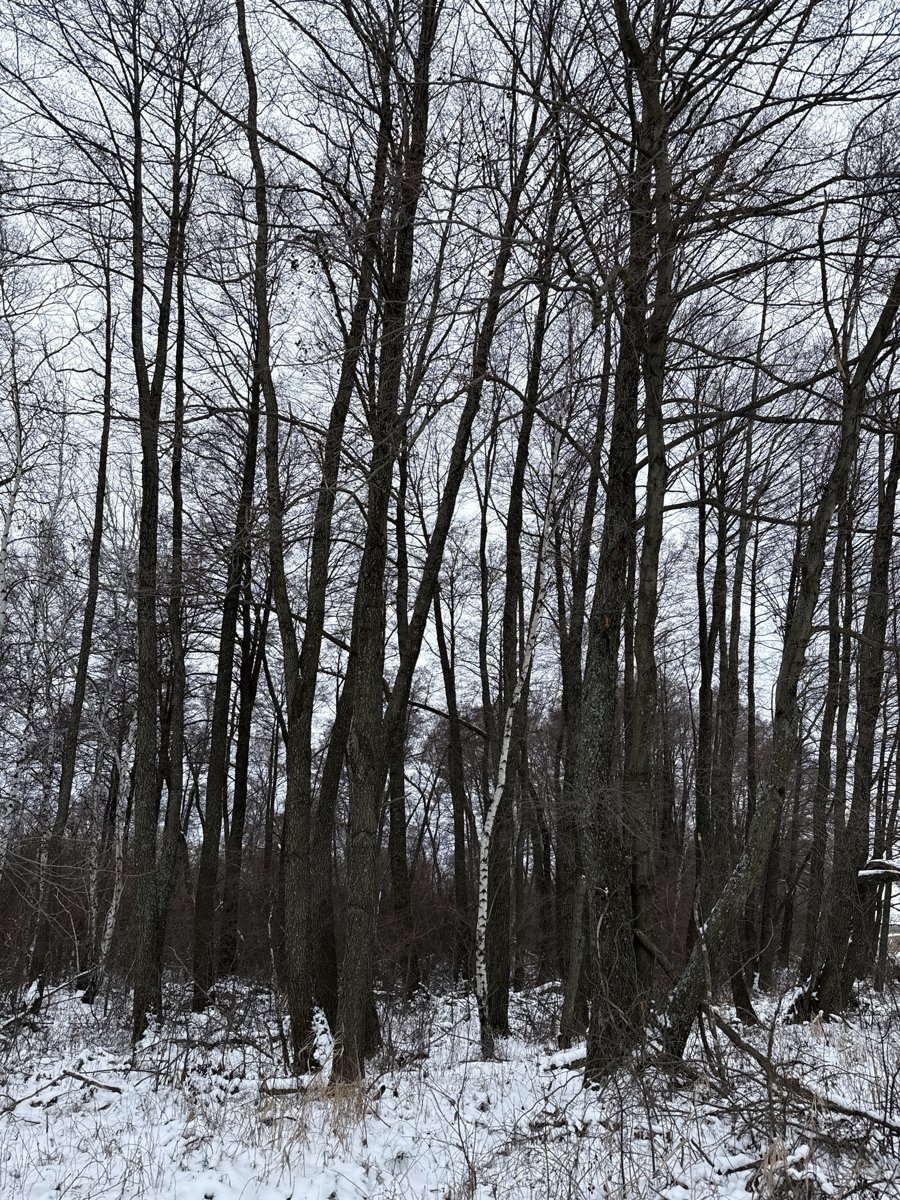
Alnus glutinosa
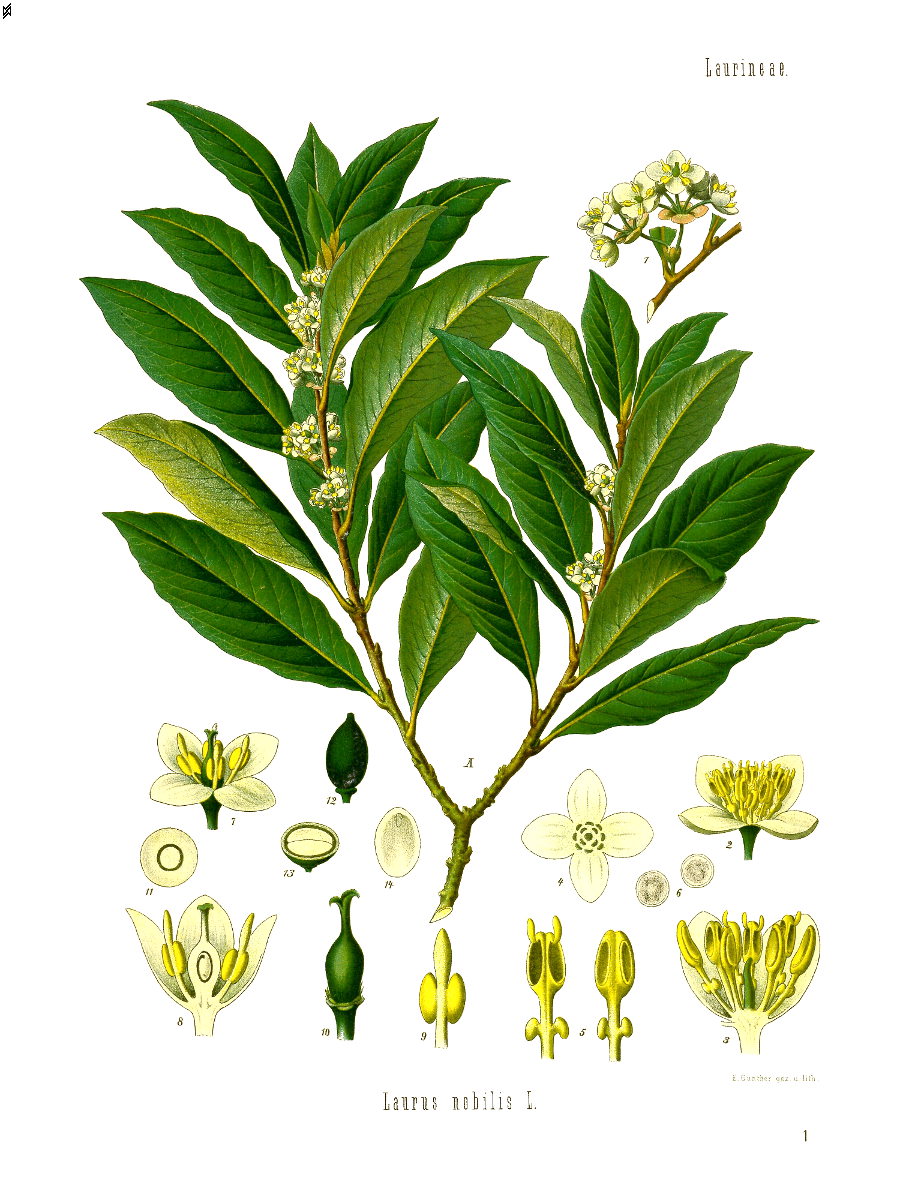
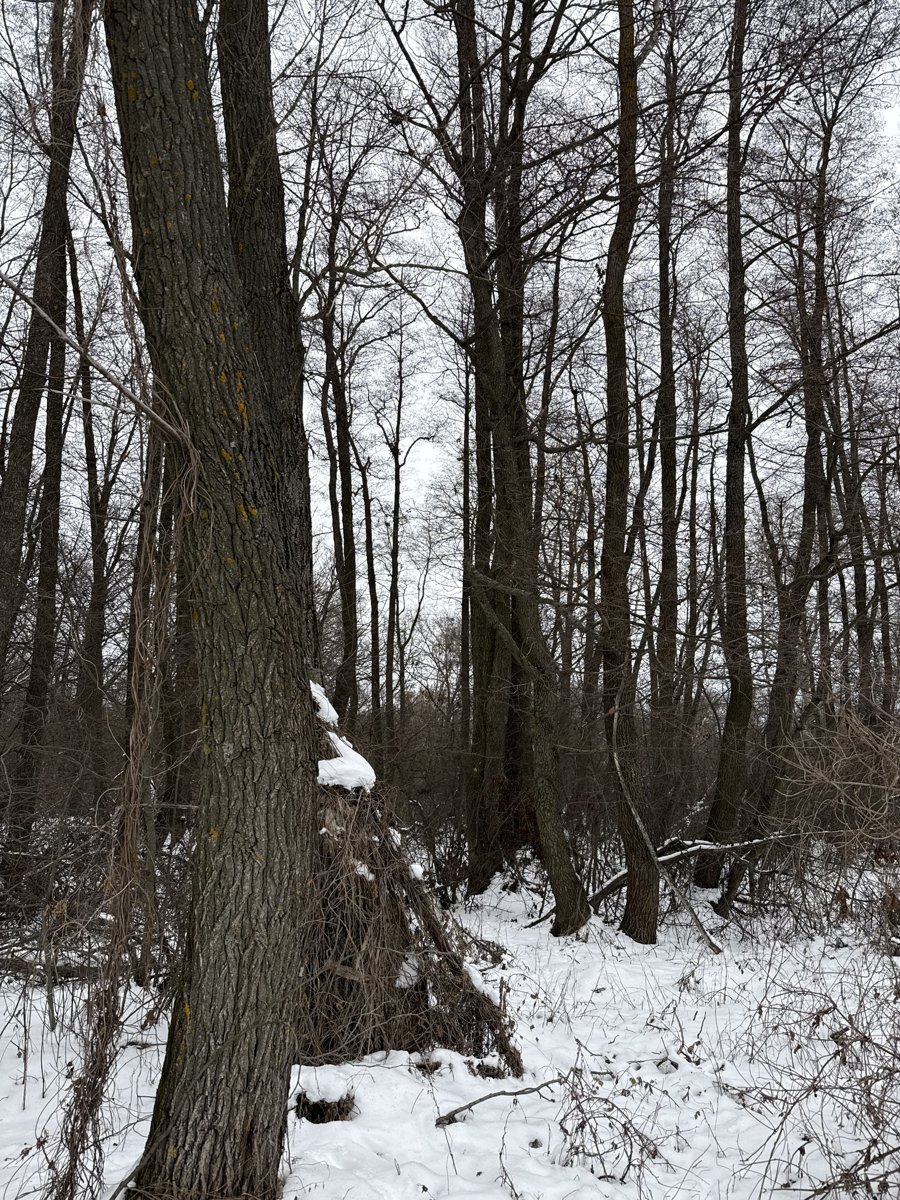
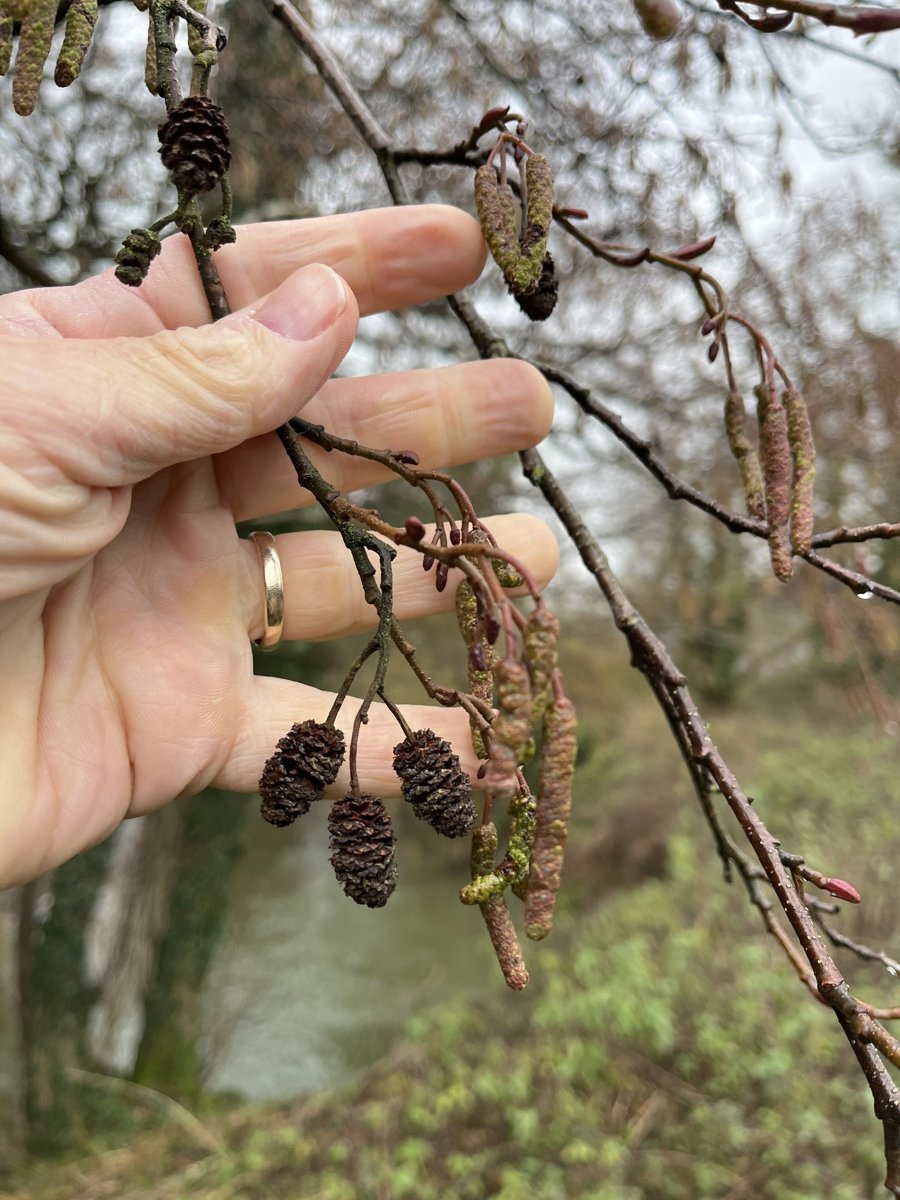
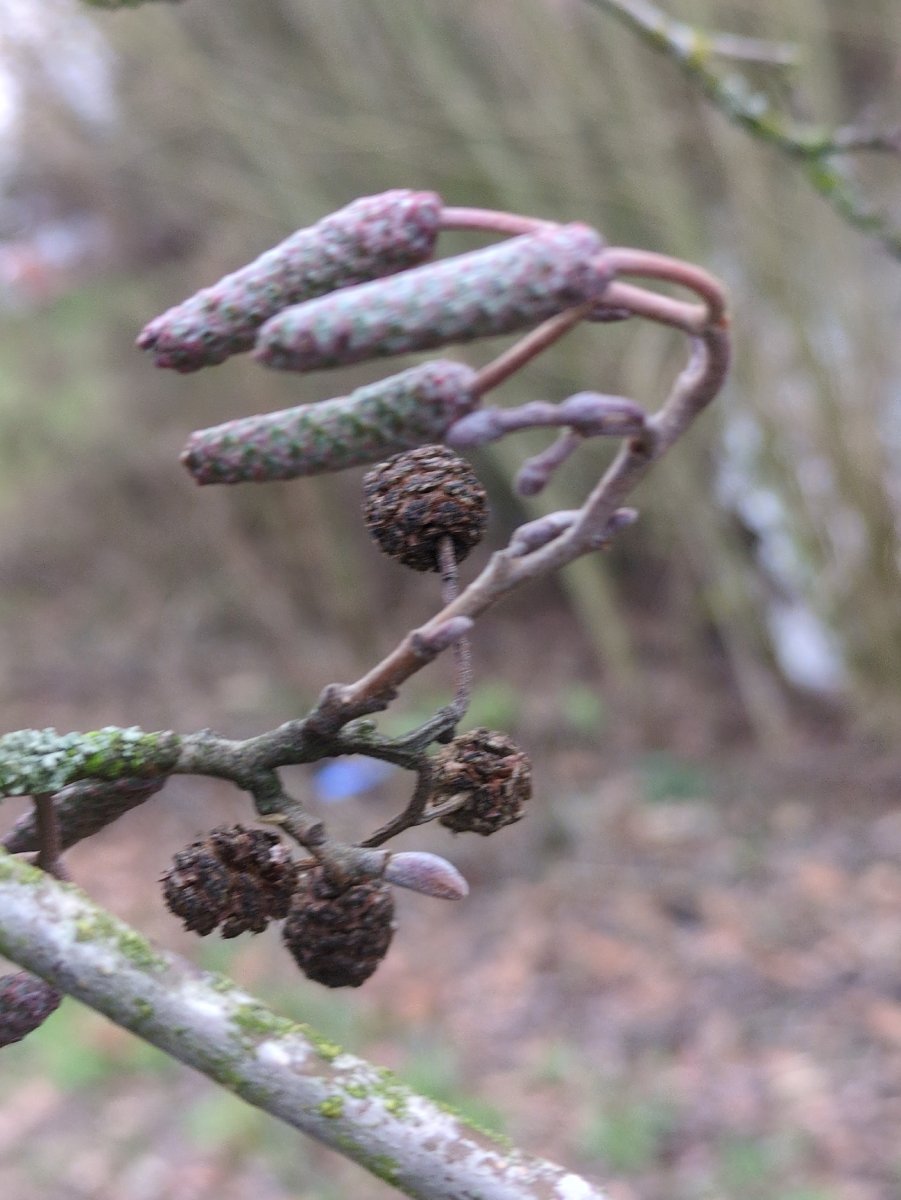
Black Alder (Alnus glutinosa) is a deciduous tree whose bark and root are harvested for herbal use. Its bark is traditionally applied to minor skin irritations, wounds, and as a mild anti‑inflammatory and diuretic; it also contains compounds with antimicrobial activity. When taken by mouth, it can cause mild stomach upset and may interact with blood‑thinning medications, so use in large amounts or over long periods without medical advice is cautioned.
Source: PMC: Aloe Ferox, PMC: Black Seed / Nigella, WHO Monographs on Selected Medicinal Plants (Vols 1-3)
| Scientific Name | Alnus glutinosa |
| Safety Rating | N/A |
| Evidence Level | N/A |
A varied selection from the NIH DSLD database. Ingredient amounts are per serving.
Browse 17 products labelled “Black Alder (Alnus glutinosa) bud extract” →
| Herb | Scientific Name | Why related |
|---|---|---|
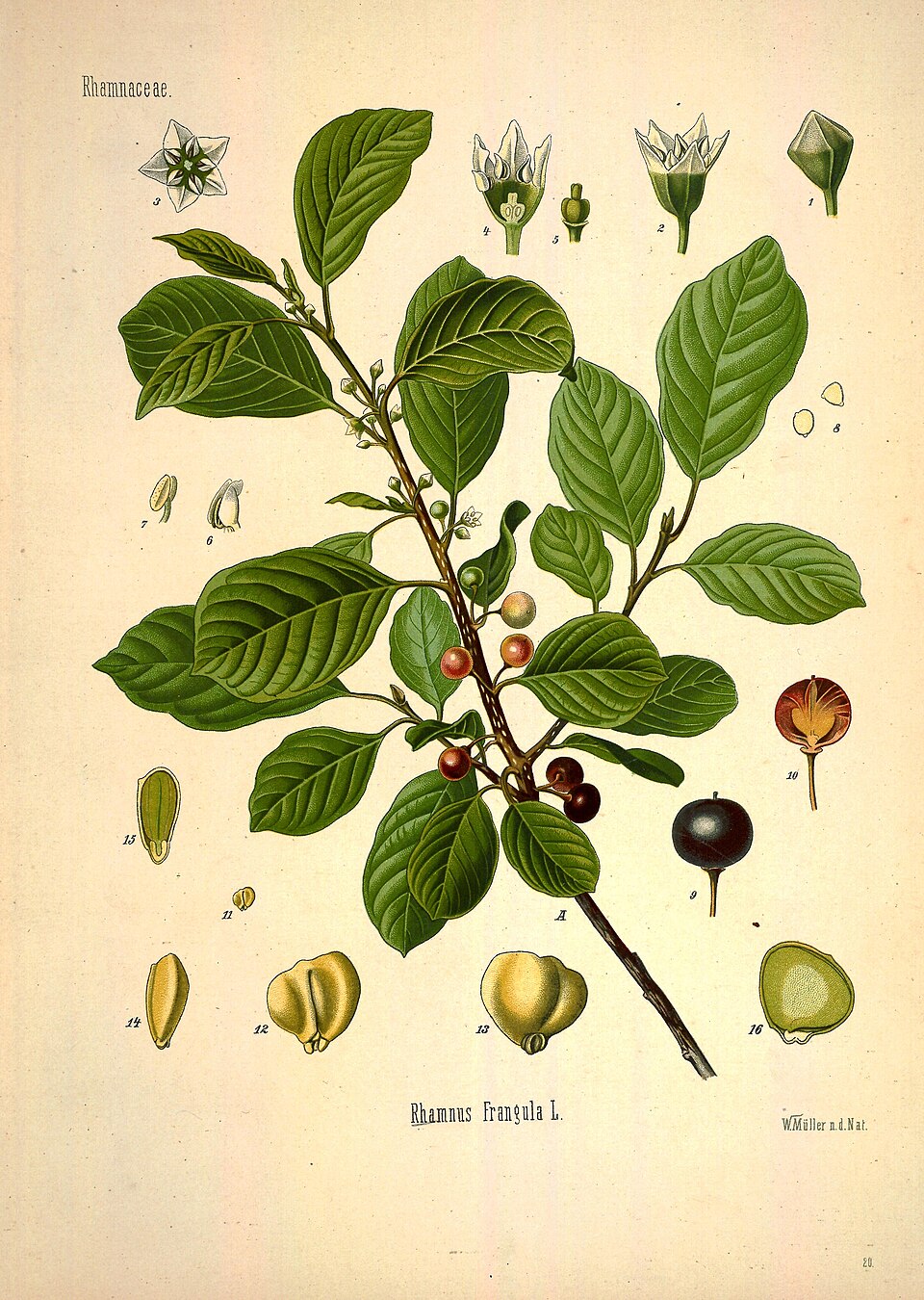
Alder Buckthorn |
Frangula alnus | shares 21 product(s) |
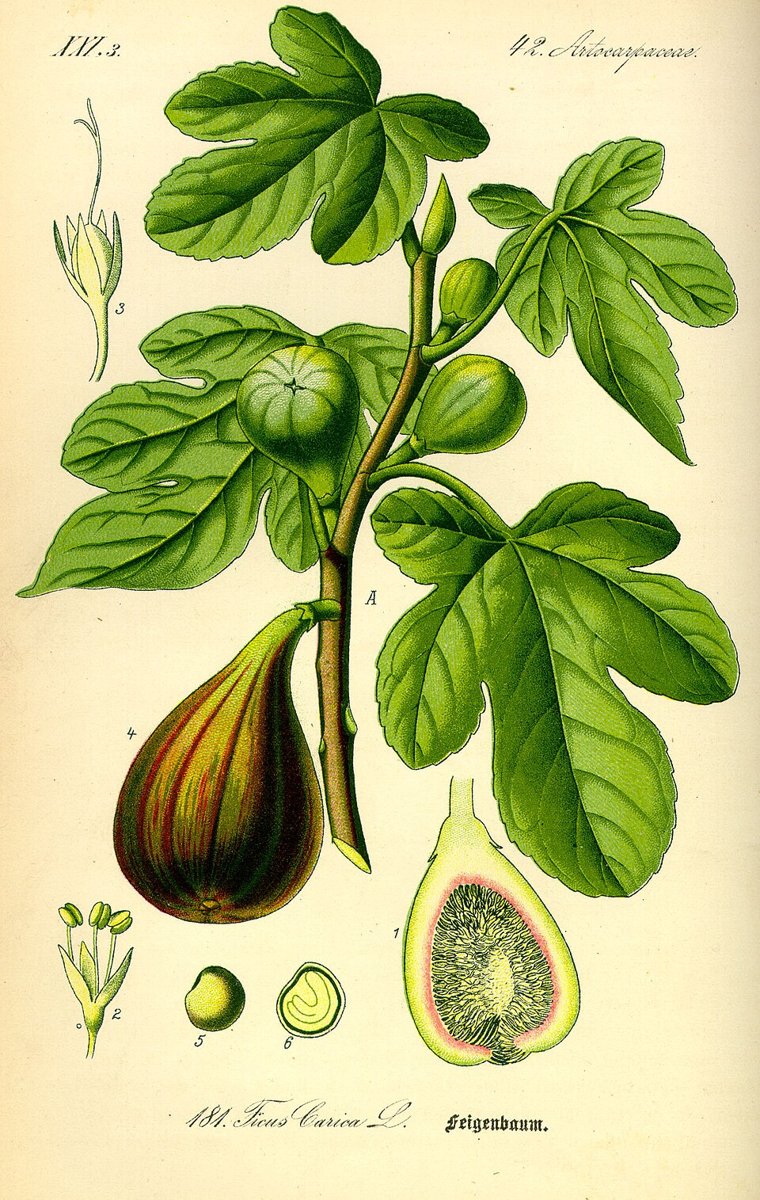
Fig |
Ficus carica | shares 7 product(s) |
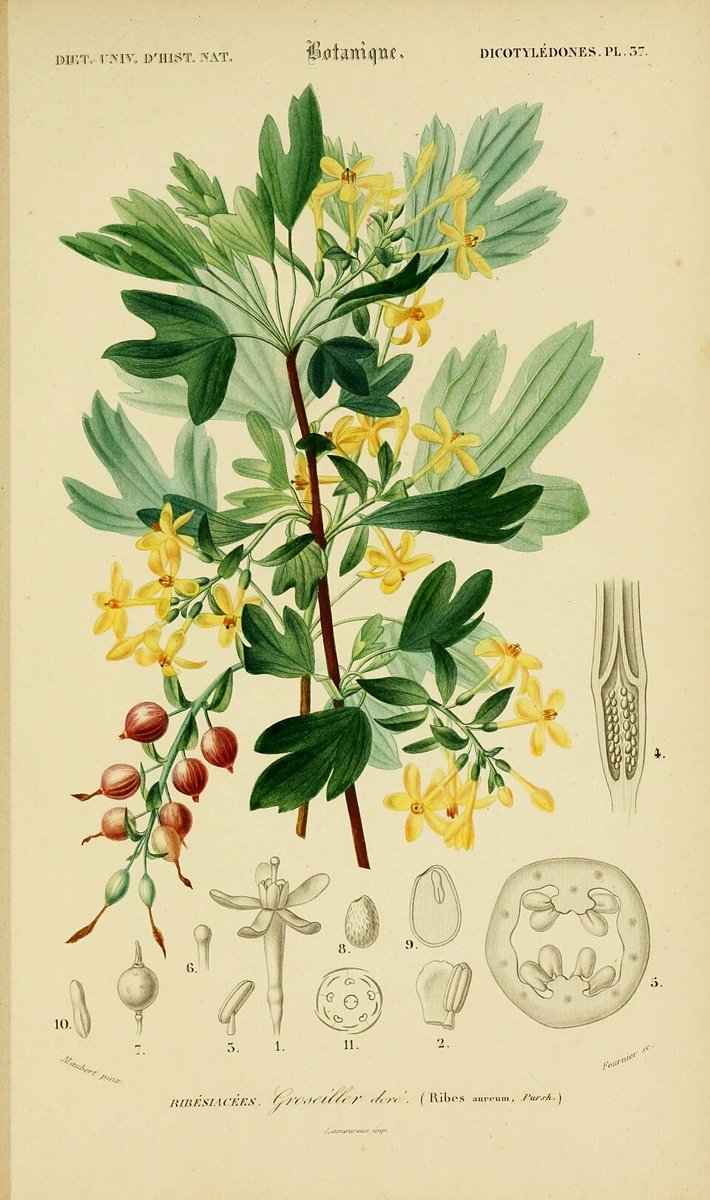
Ribes Aureum |
Ribes aureum | shares 7 product(s) |
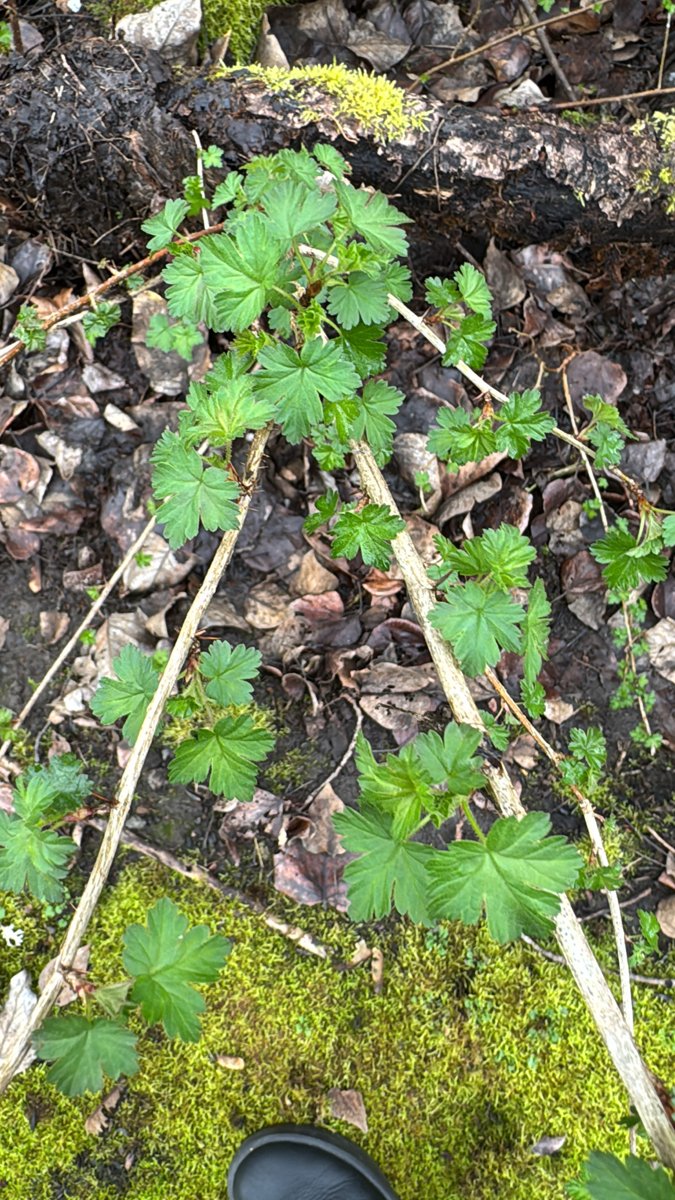
Ribes Divaricatum |
Ribes divaricatum | shares 7 product(s) |
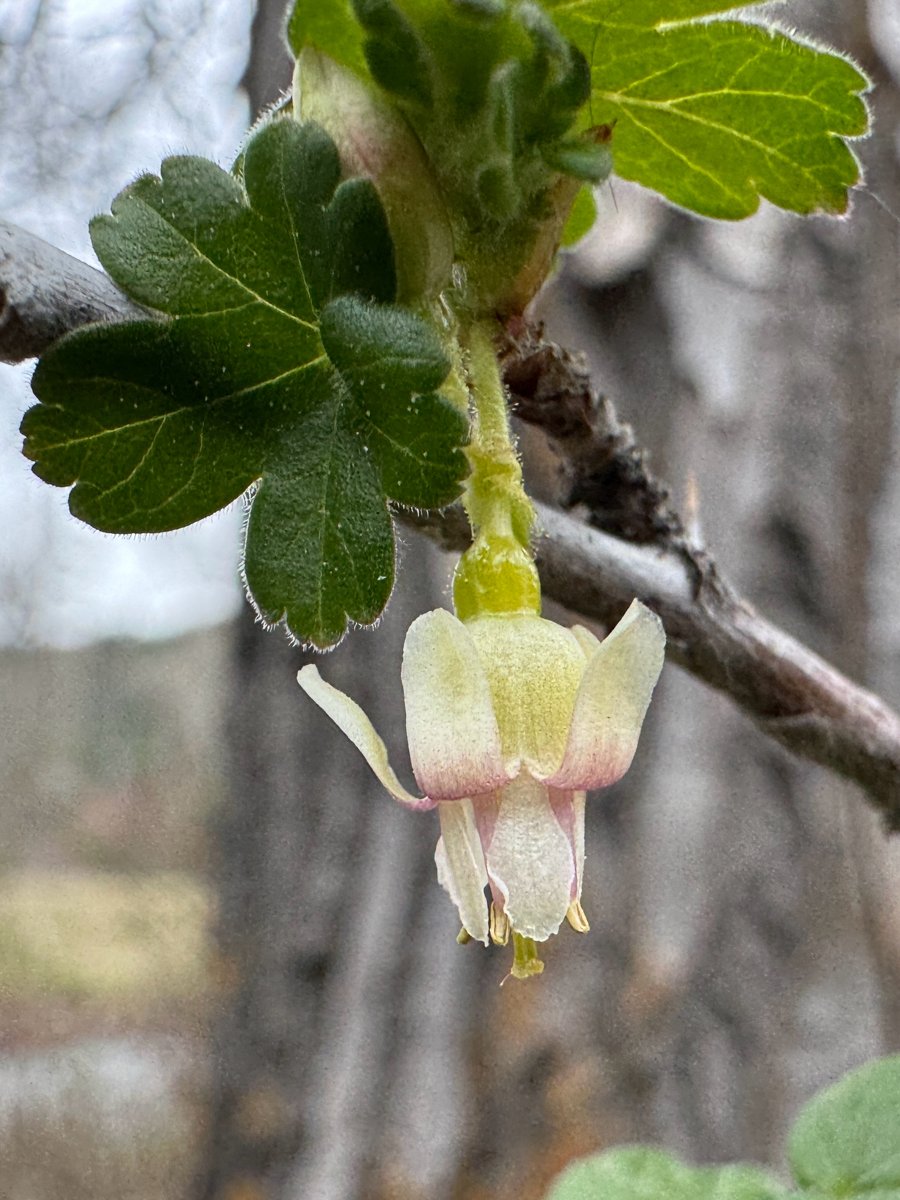
Ribes Oxyacanthoides |
Ribes oxyacanthoides | shares 7 product(s) |
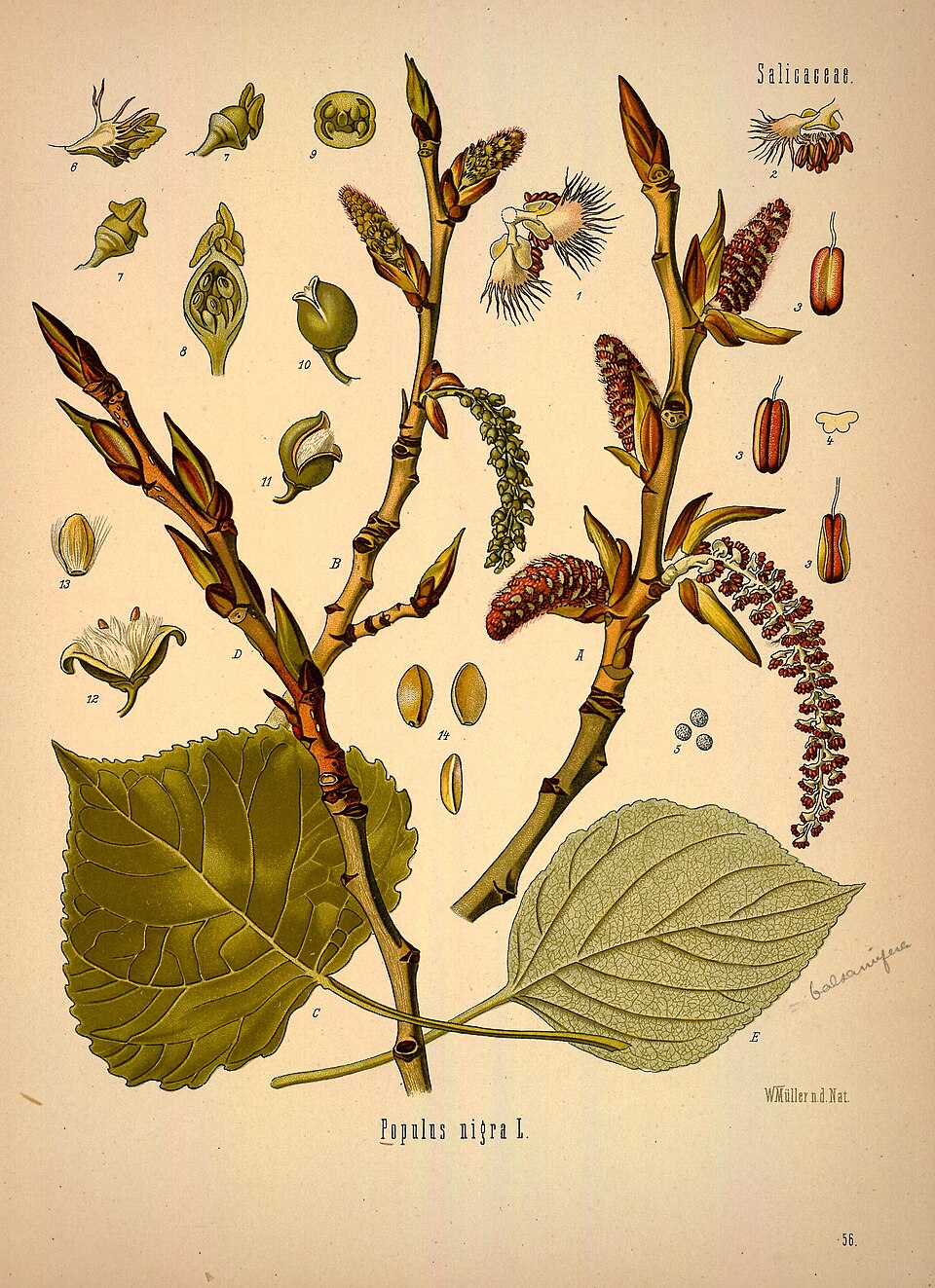
Black Poplar |
Populus nigra | similar summary terms |
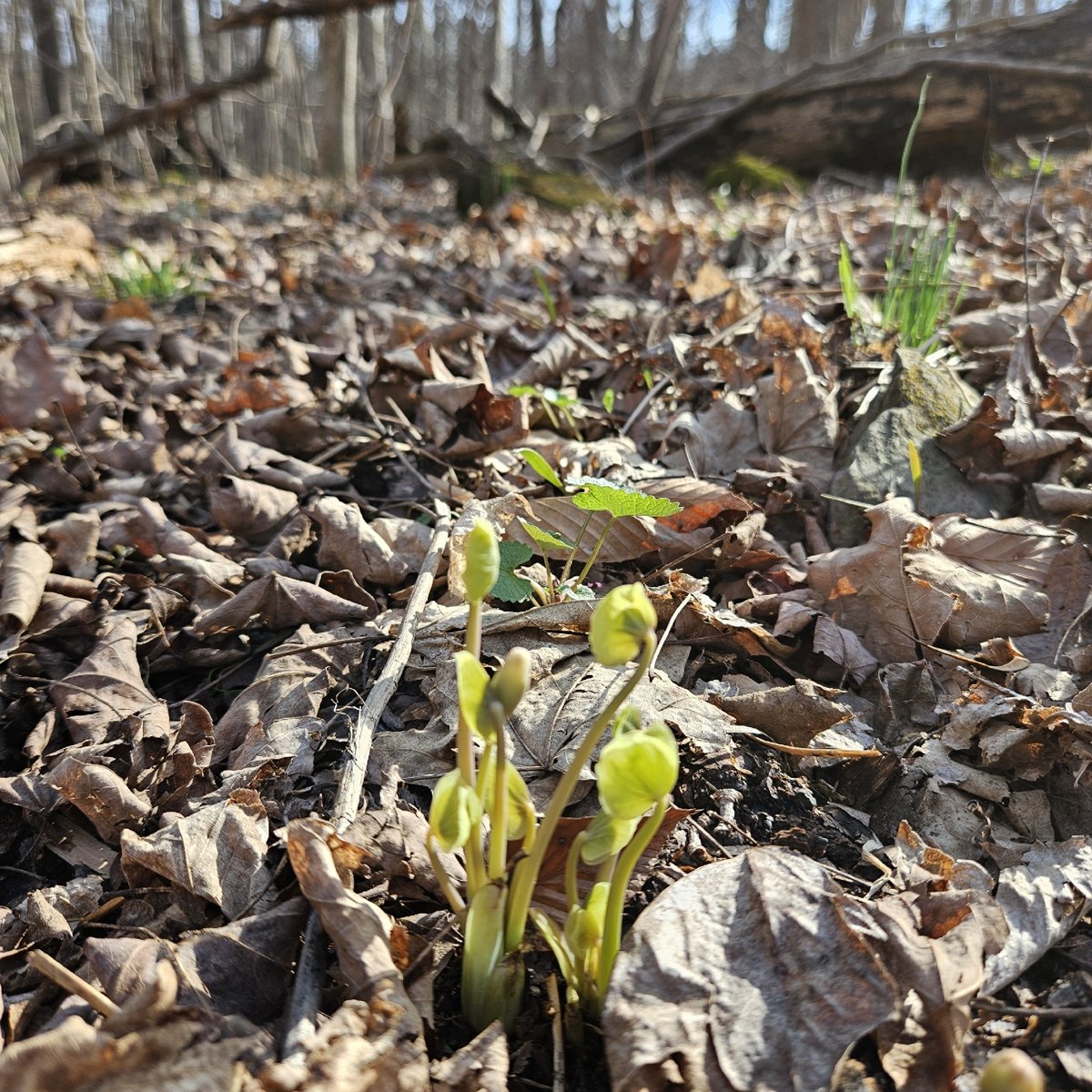
Jeffersonia Diphylla |
Jeffersonia diphylla | similar summary terms |
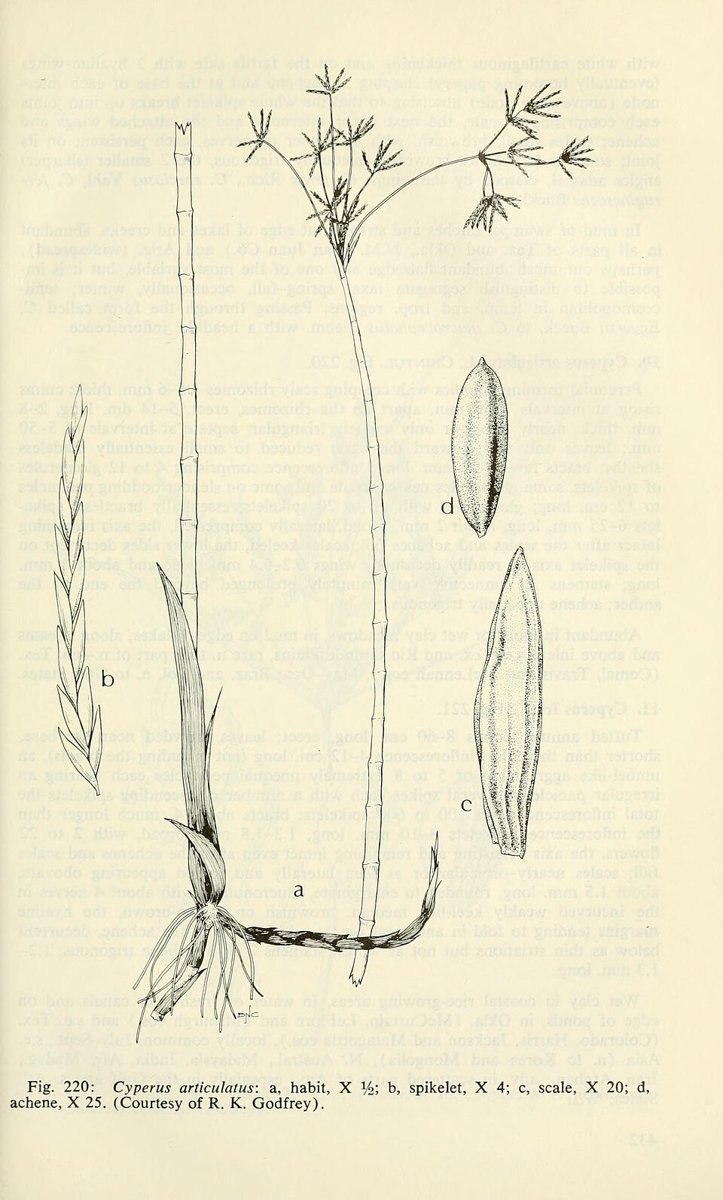
Cyperus Articulatus |
Cyperus articulatus | similar summary terms |
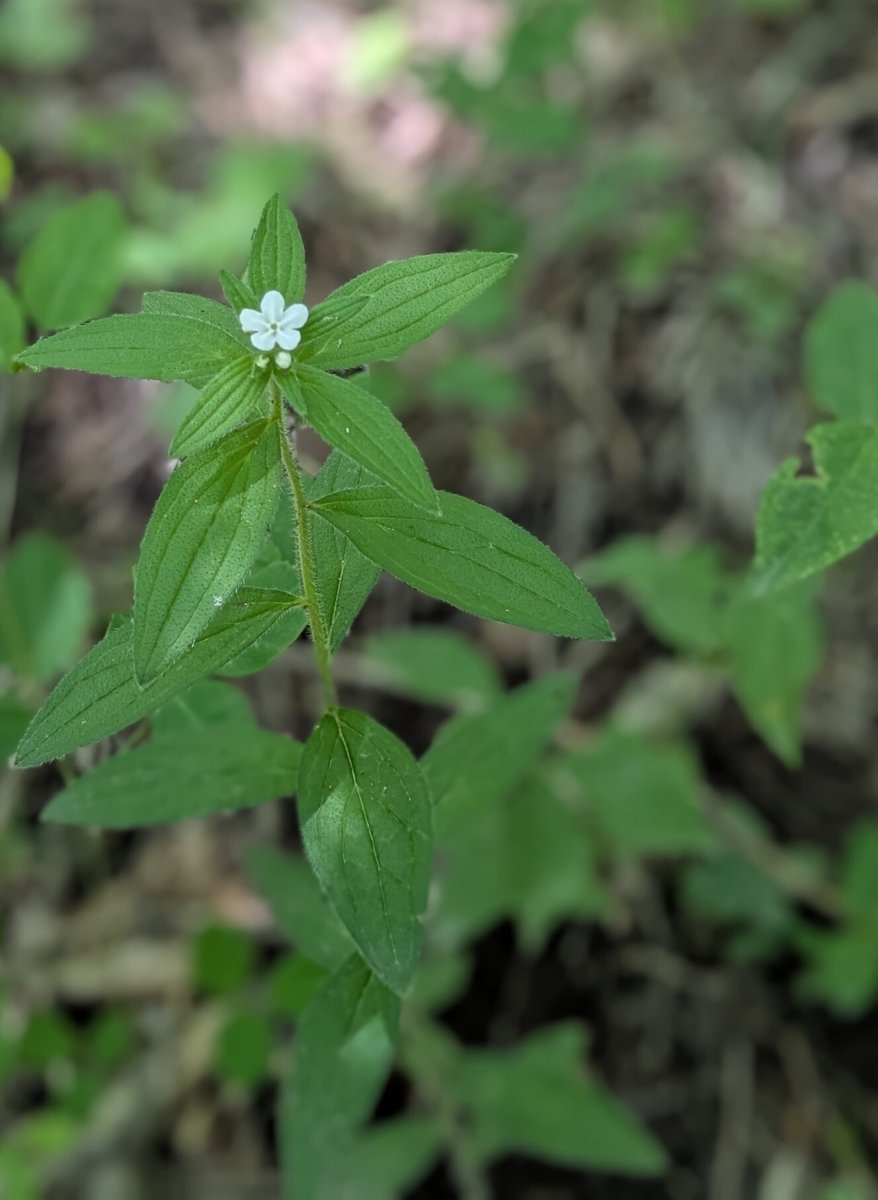
Red Stoneroot |
Lithospermum erythrorhizon | similar summary terms |
Bay Laurel |
Laurus nobilis | similar summary terms |
Ask the RAG about Black Alder — get evidence-based answers from WHO monographs and pharmacognosy textbooks.
Or browse the product search to find more products.