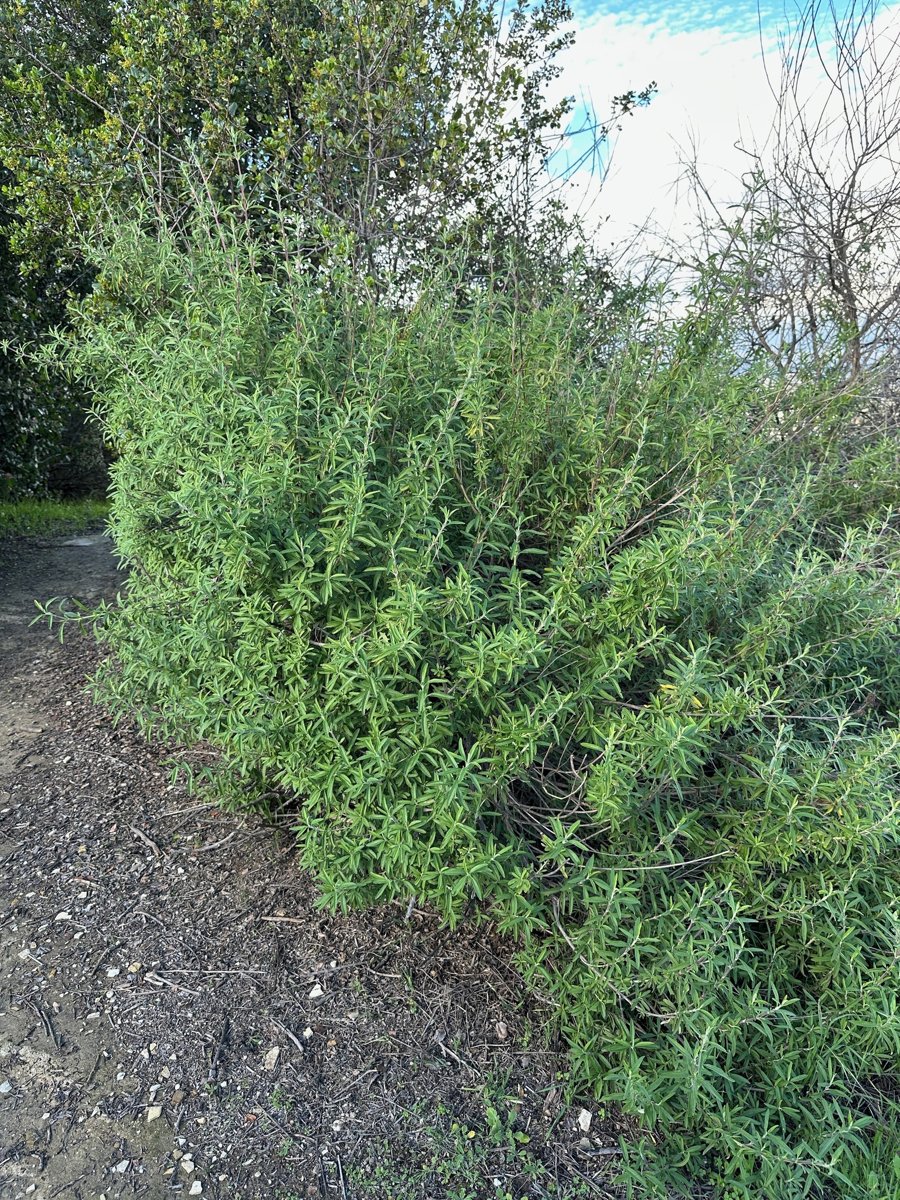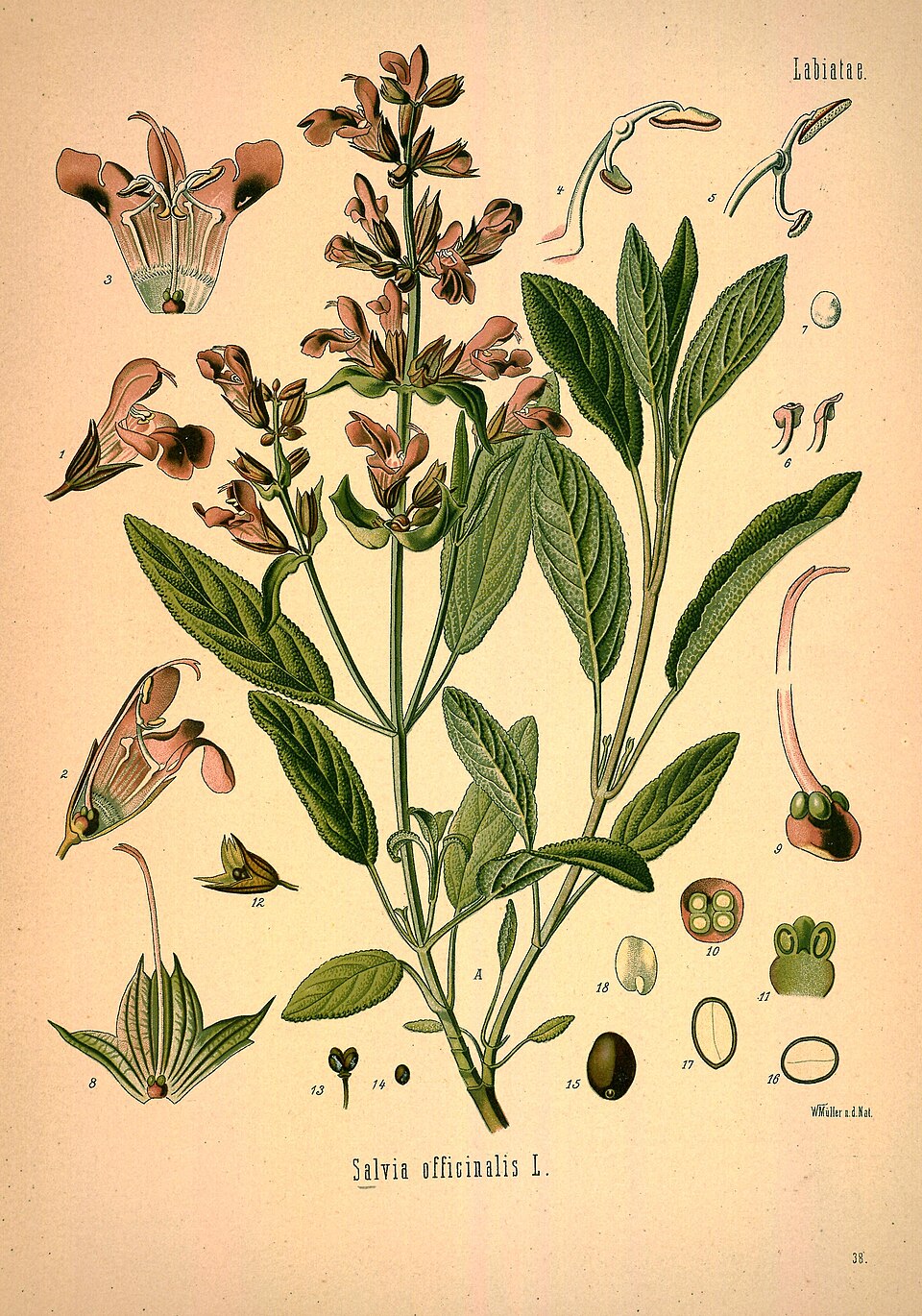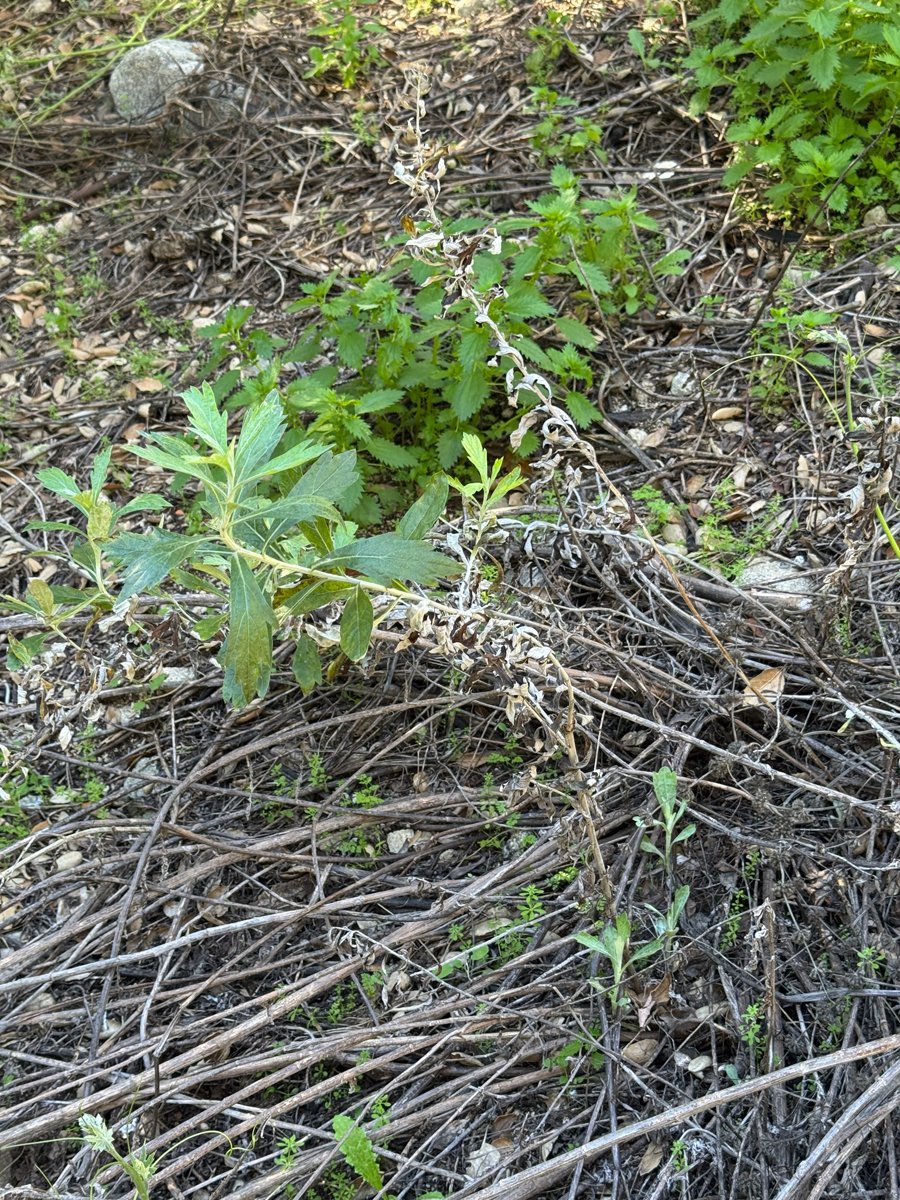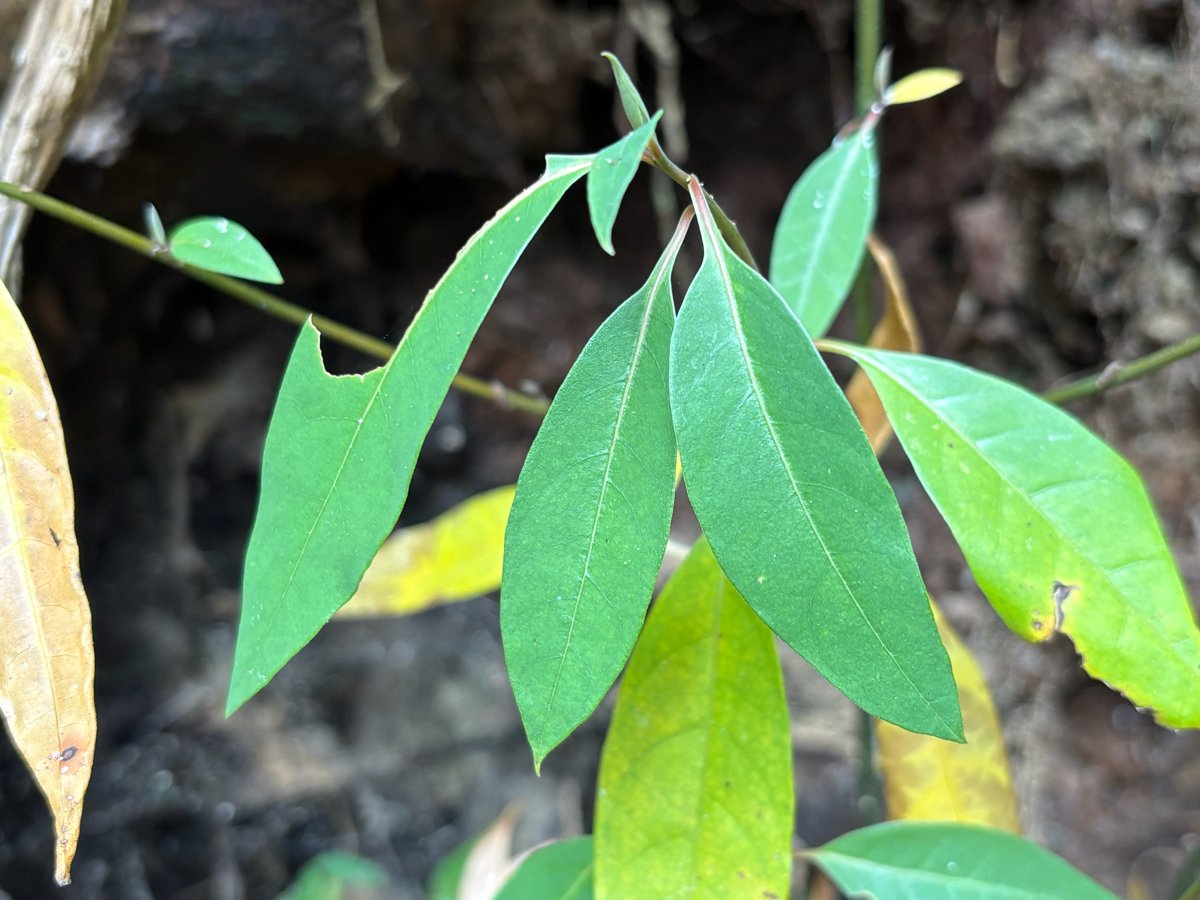
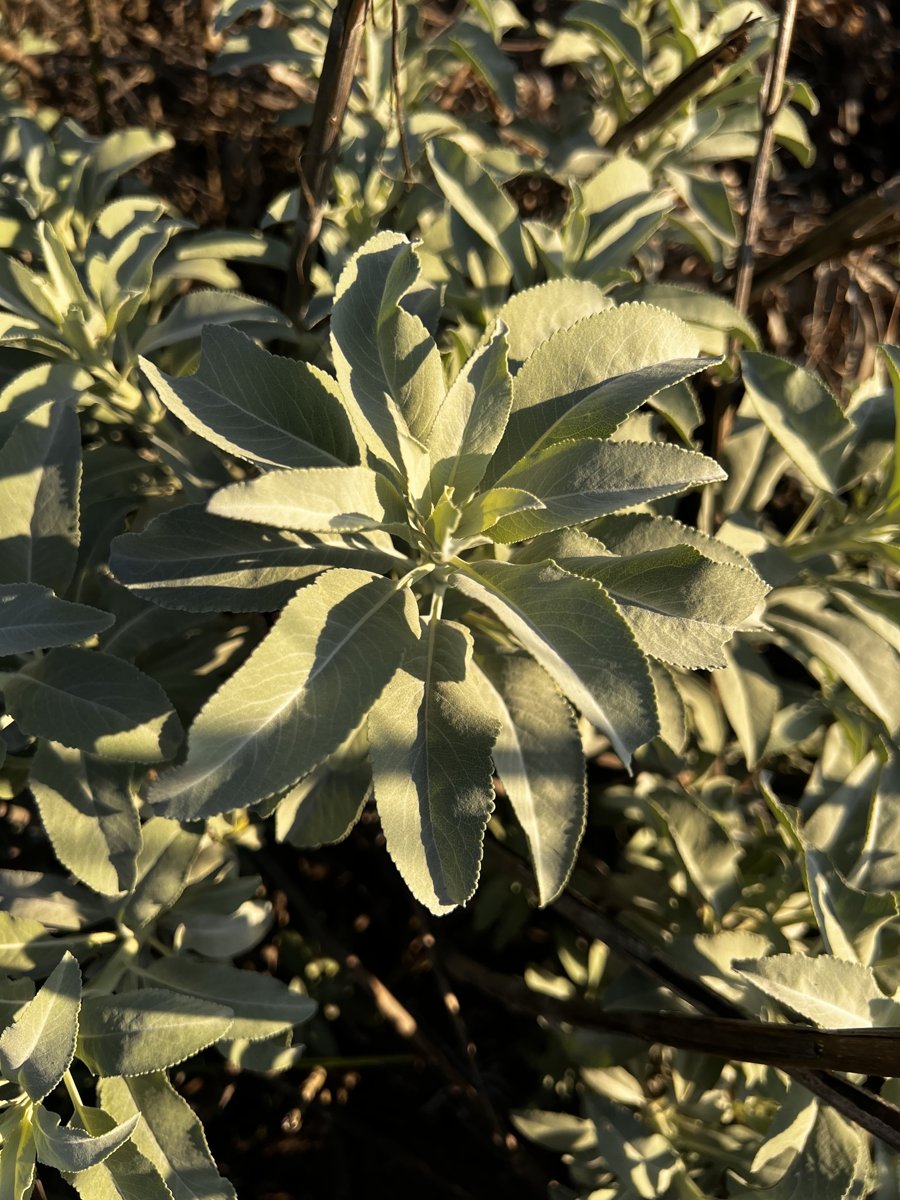
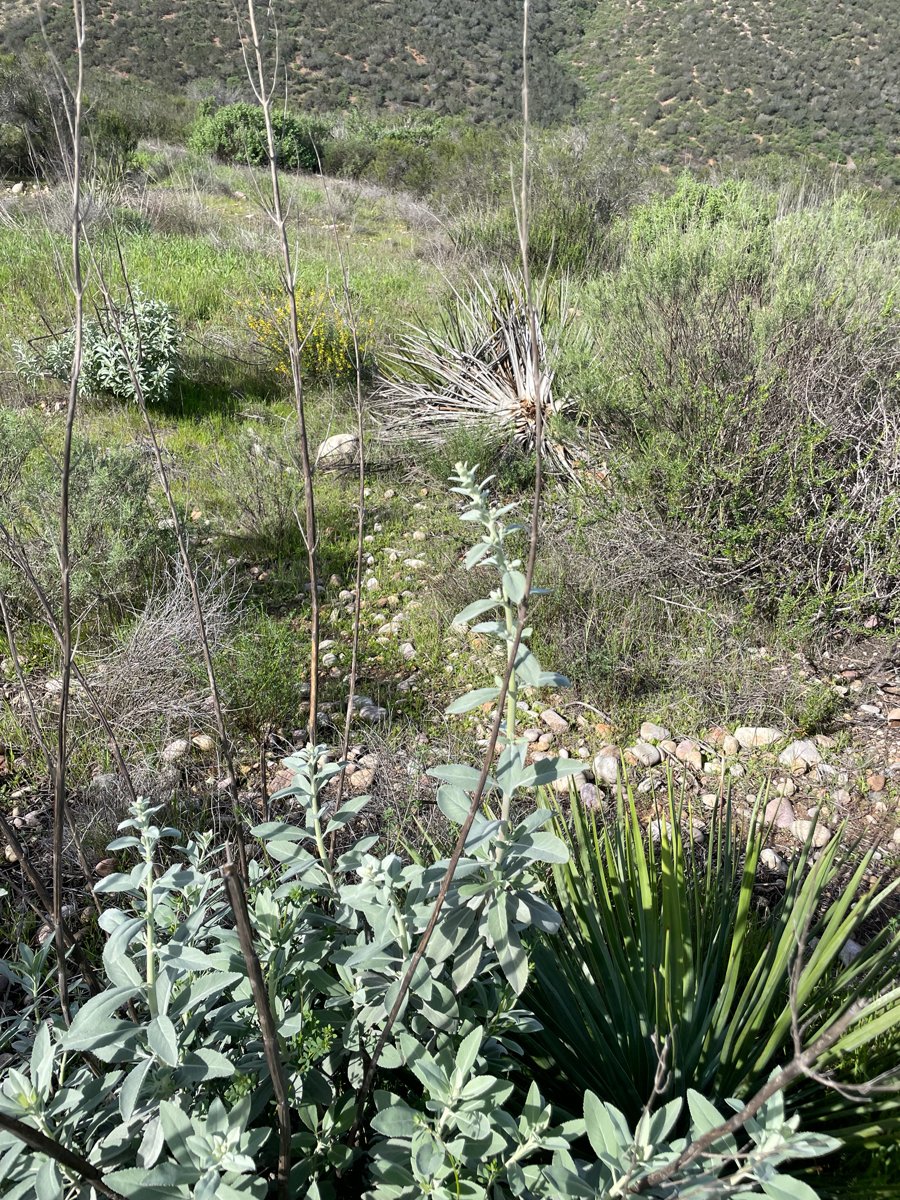
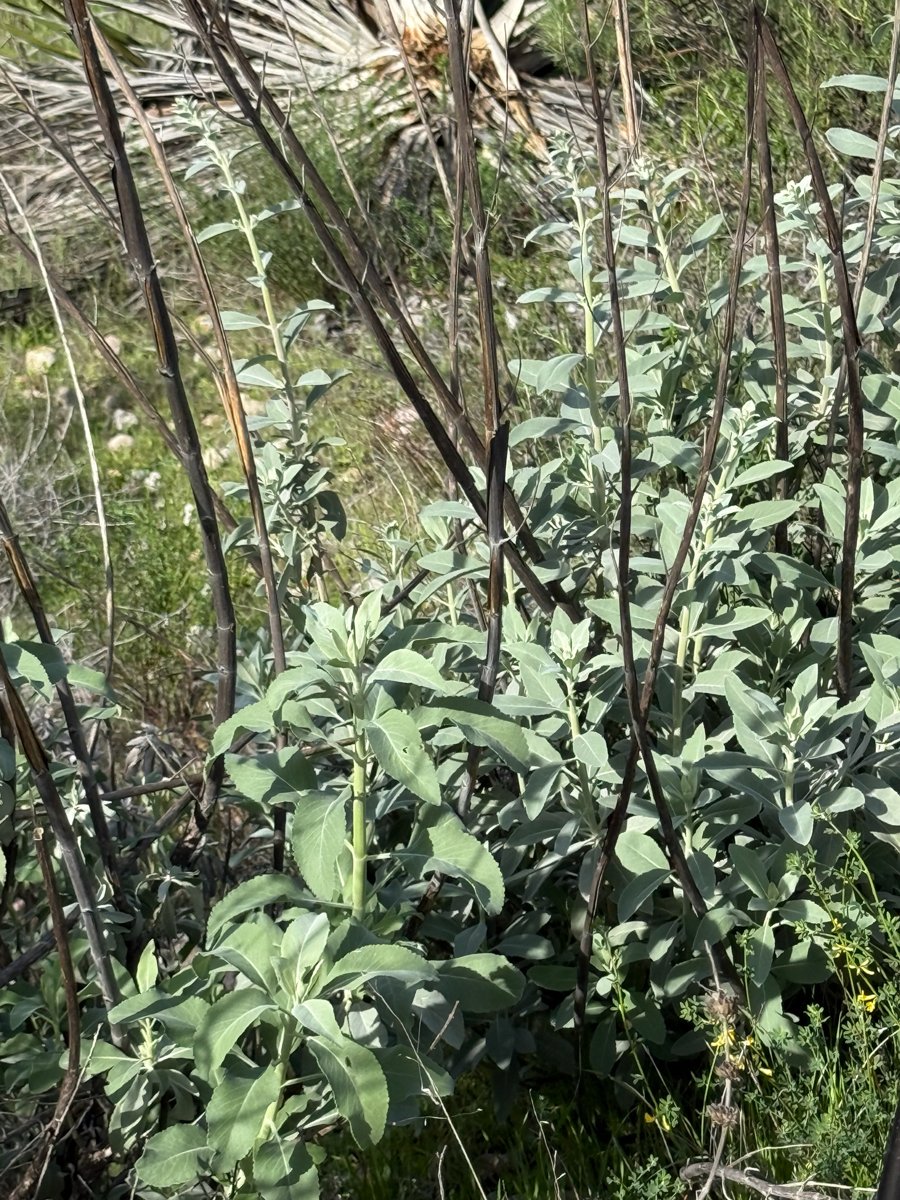
Salvia Apiana
Salvia apiana
Scientific Summary
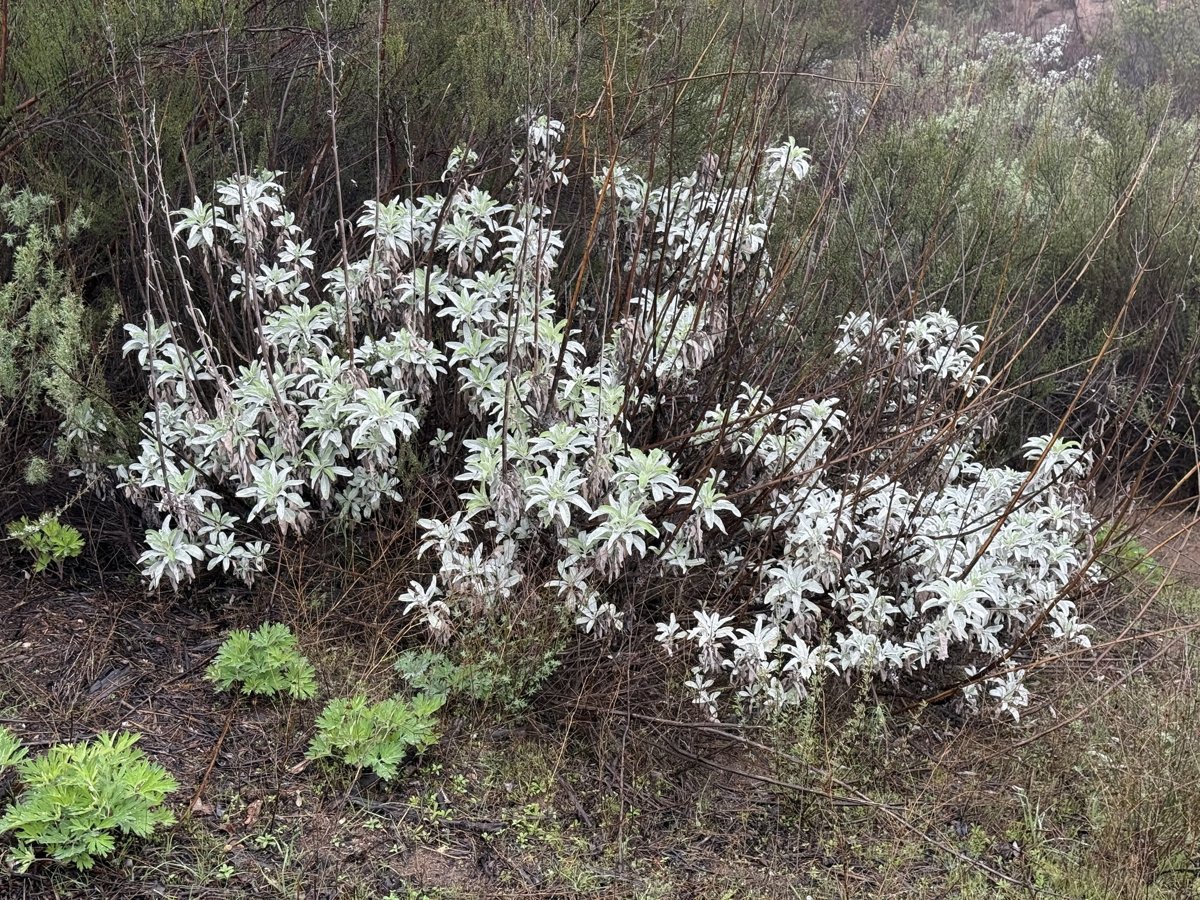
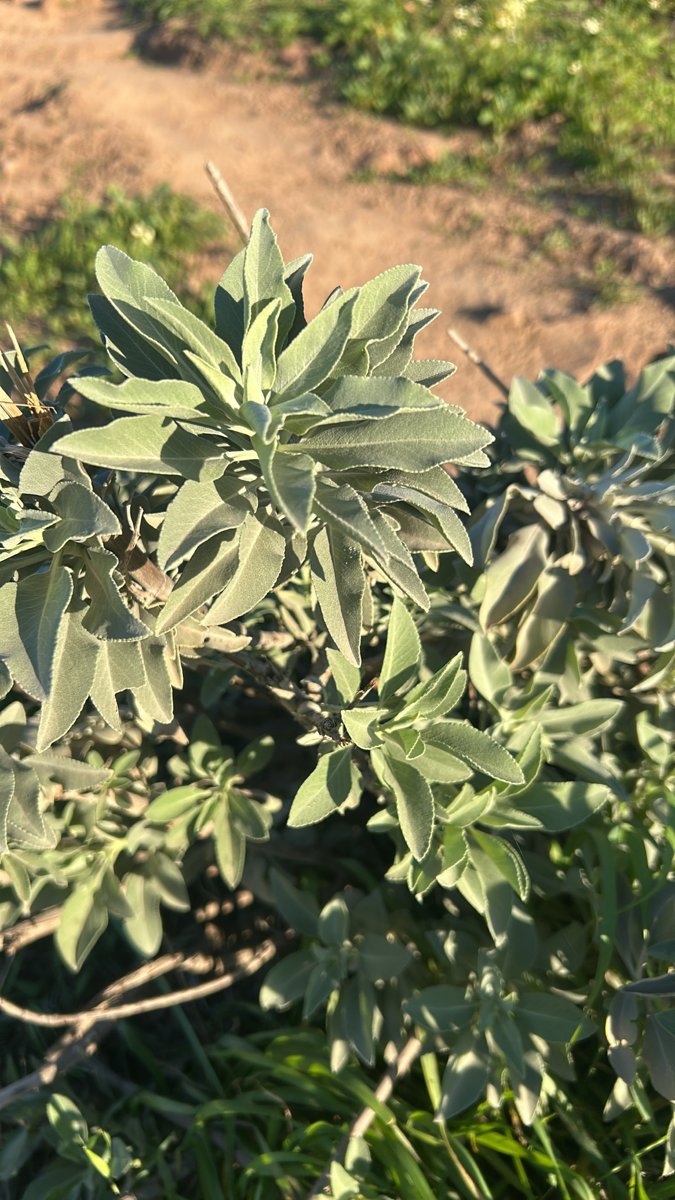
White sage (Salvia apiana) is a woody shrub native to southwestern North America whose leaves are often dried and used for their aromatic and medicinal properties. It is traditionally inhaled as a smoke for respiratory relief, used in teas for digestive comfort, and applied topically as a mild antiseptic for minor wounds. Use is generally advised for short, occasional applications; long‑term or high‑dose use can irritate mucous membranes, and it is best avoided during pregnancy or by people who are sensitive to aromatic herbs.
Source: PMC: Terminalia Chebula, PMC: Stevia Rebaudiana, WHO Monographs on Selected Medicinal Plants (Vols 1-3)