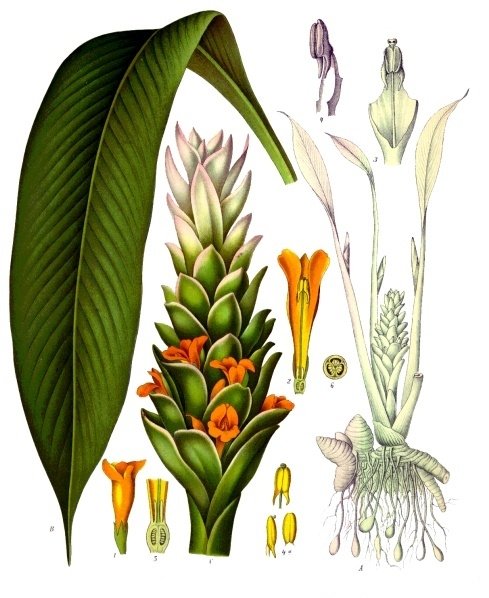
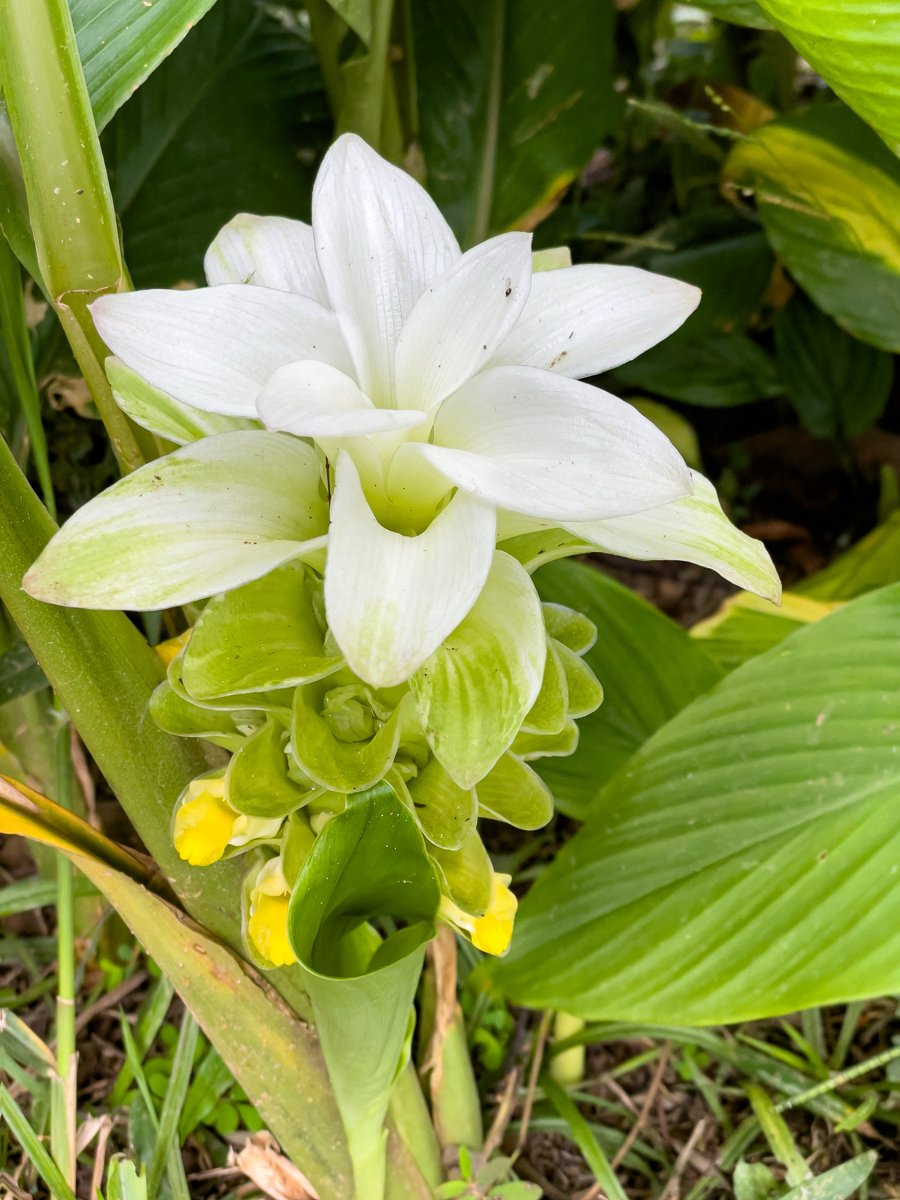
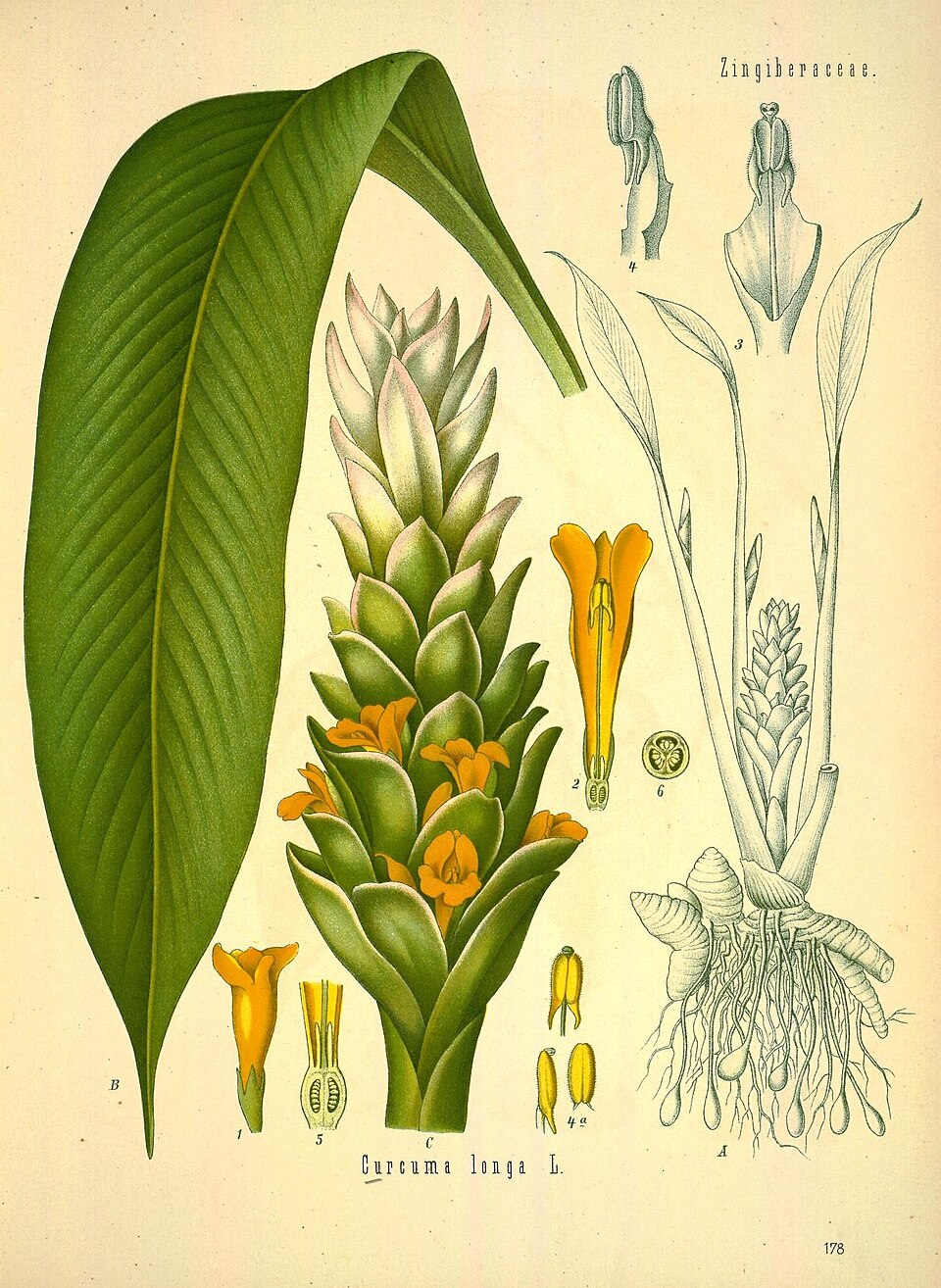
Curcuma longa
| Scientific Name | Curcuma longa |
| Safety Rating | Conditionally Safe |
| Evidence Level | moderate |
Turmeric is the cultivated rhizome of *Curcuma longa*, traditionally processed into a bright yellow spice. It is commonly used as an anti‑inflammatory and digestive aid, with traditional applications for joint pain, skin conditions, and liver support, and is included in many herbal formulations for headaches and mild gastrointestinal upset. High doses or prolonged use may increase bleeding risk, interact with anticoagulants, and can cause mild gastrointestinal irritation or allergic skin reactions; women who are pregnant or breastfeeding should consult a healthcare provider before using turmeric supplements.
Source: WHO Monographs on Selected Medicinal Plants (Vols 1-3), Trease & Evans Pharmacognosy 16th ed
50 products from NIH DSLD database (verified label data)
| Herb | Scientific Name | Why related |
|---|---|---|
Sand Ginger |
Kaempferia galanga | shares 1123 product(s) |
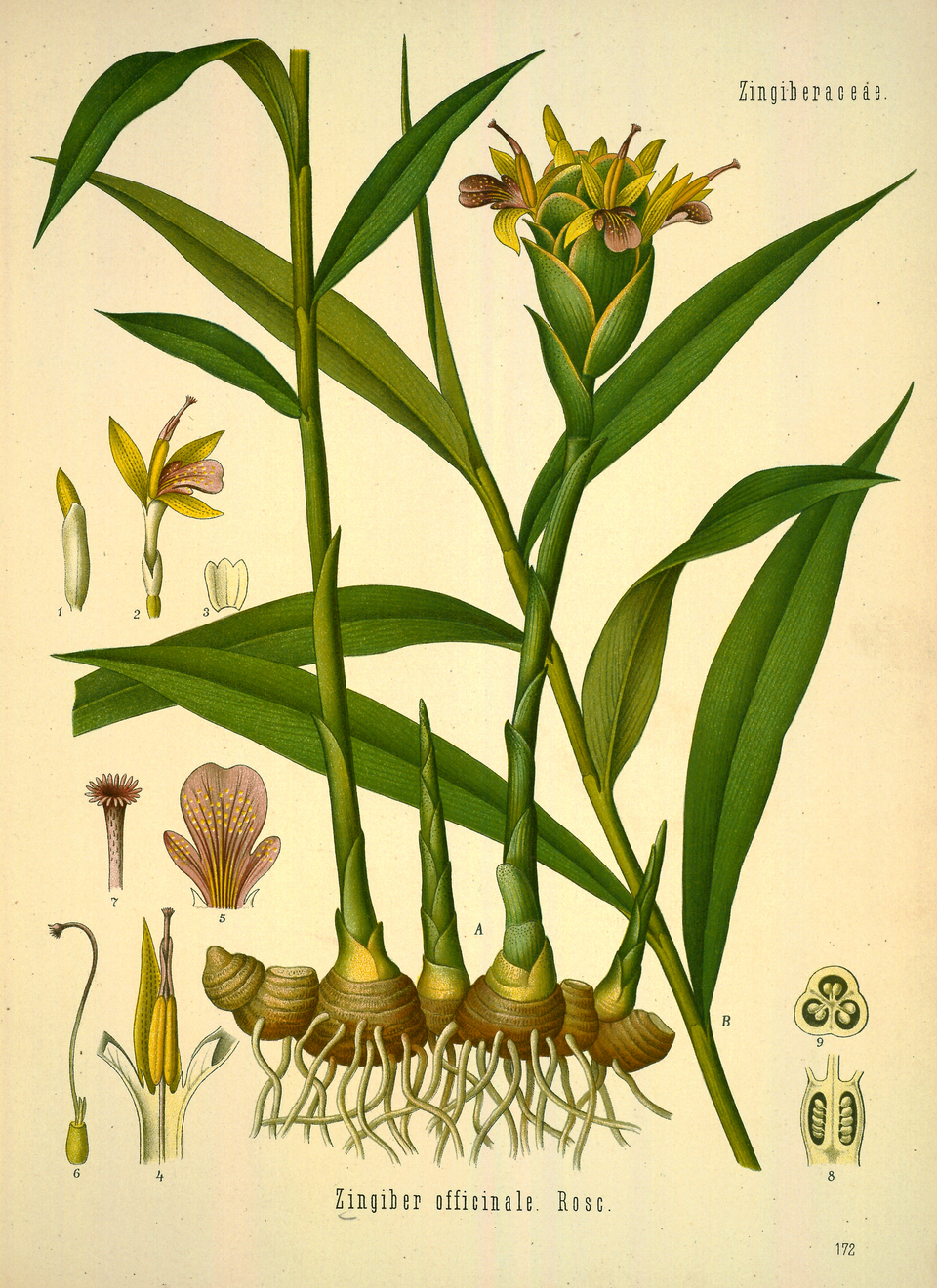
Ginger Root |
Zingiber officinale | shares 1008 product(s) |
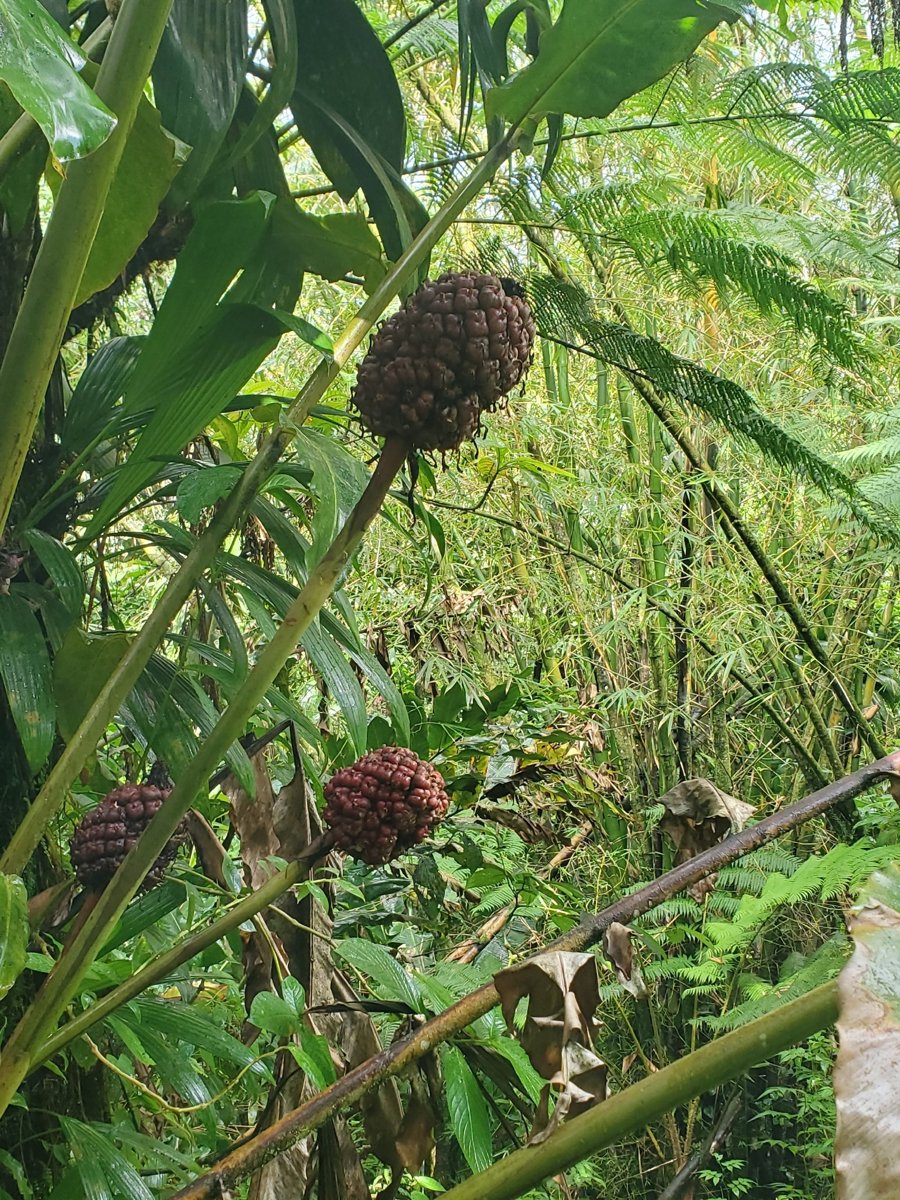
Torch Ginger |
Etlingera elatior | shares 1006 product(s) |
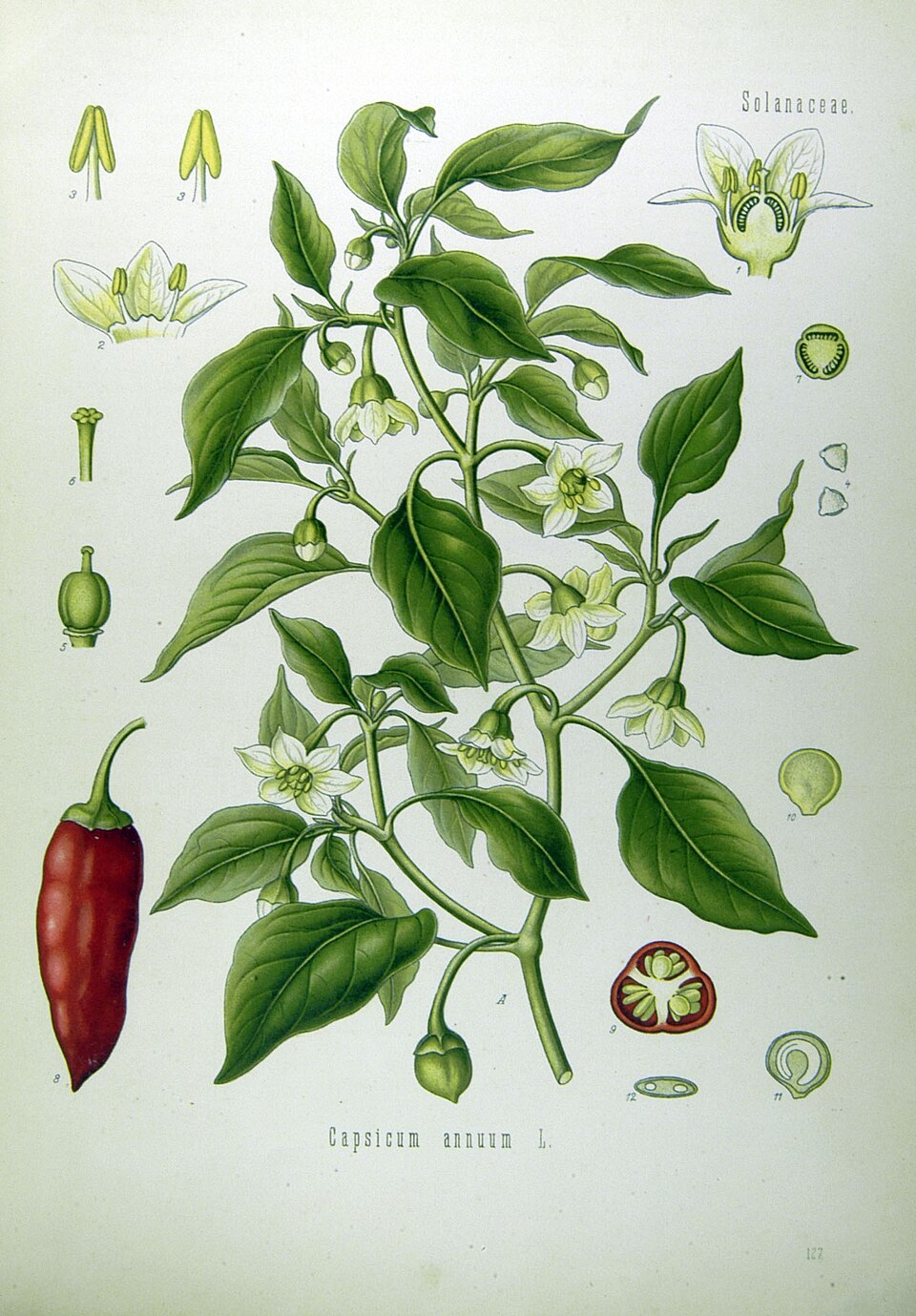
Capsicum |
Capsicum annuum | shares 722 product(s) |
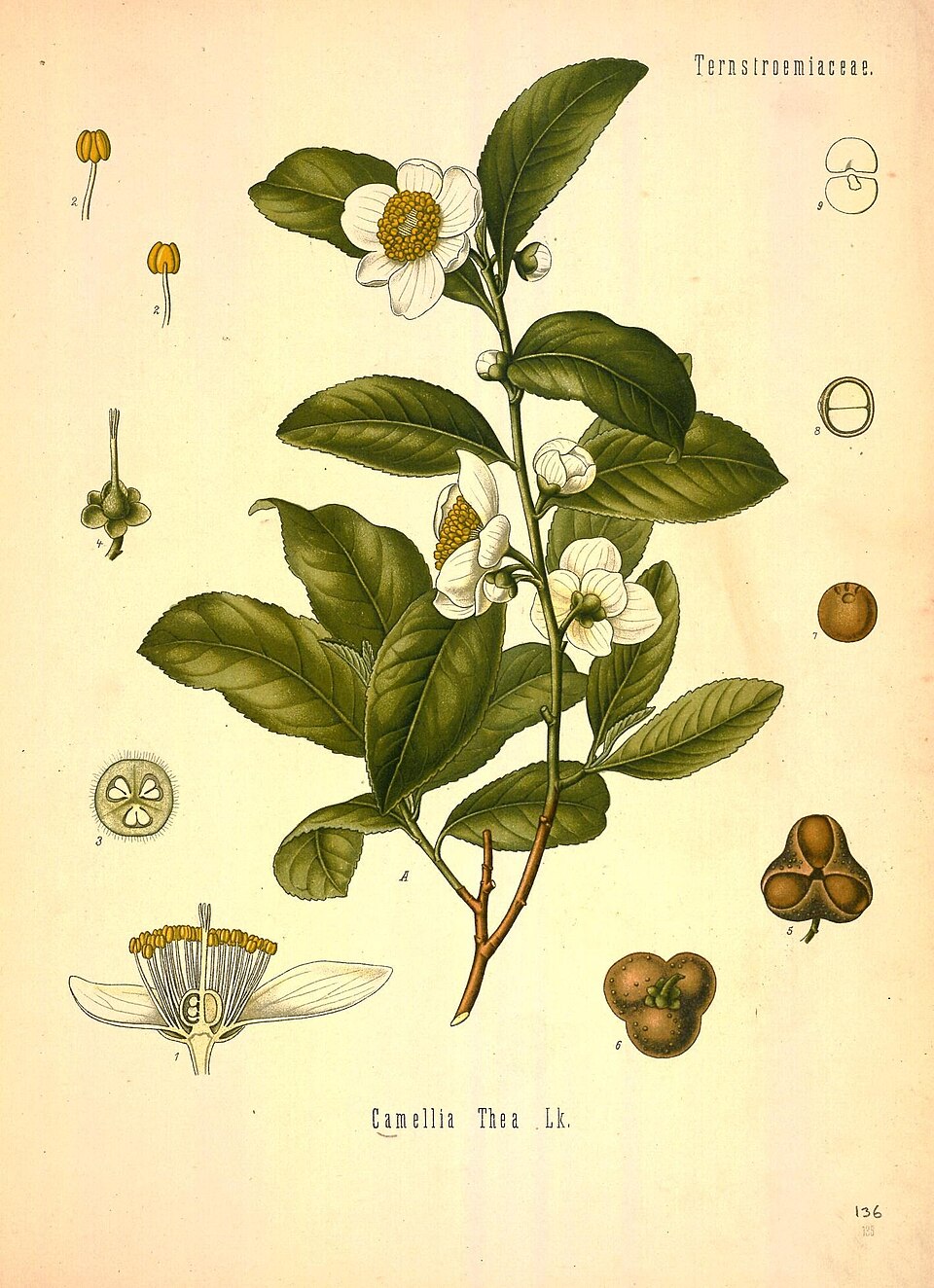
Green Tea Extract |
Camellia sinensis (EGCG) | shares 663 product(s) |
| Curcuminoids | N/A | similar summary terms |
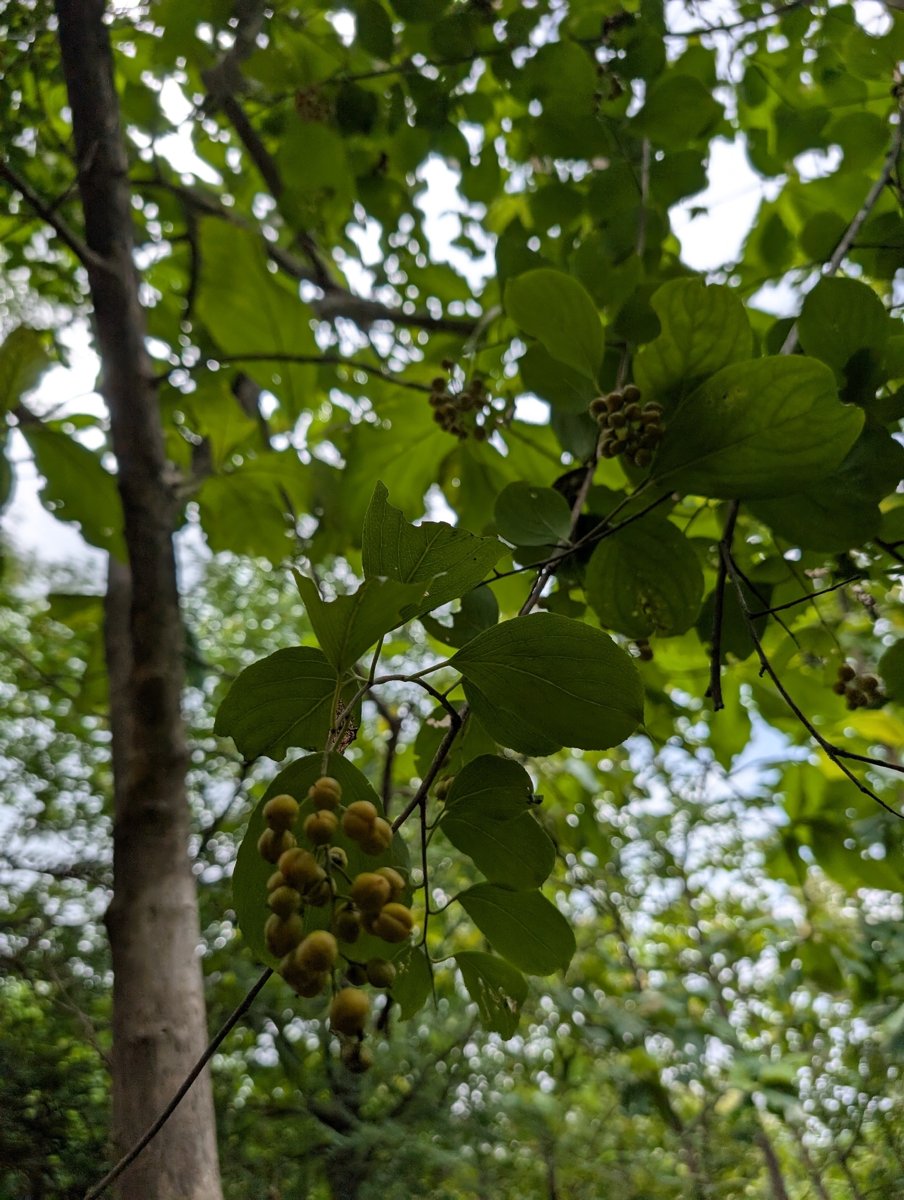
Celastrus Paniculatus |
Celastrus paniculatus | similar summary terms |
Red Stoneroot |
Lithospermum erythrorhizon | similar summary terms |
Yucca Glauca |
Yucca glauca | similar summary terms |
Milk Thistle |
Silybum marianum | similar summary terms |
Ask the RAG about Turmeric / Curcumin — get evidence-based answers from WHO monographs and pharmacognosy textbooks.
Or browse the product search to find more products.